Fakta Menarik Migrasi Wildebeest
Home » Fakta Menarik Migrasi Wildebeest
Ringkesan
There is no wildlife event on earth that compares to the Migrasi Wildebeest Gedhe. More than 1.5 million animals moving in an endless, ancient rhythm across the plains of Tanzania and Kenya, driven by nothing but instinct, rain, and the relentless need to find fresh grass. It is raw, vast, and genuinely humbling. This guide covers the facts behind the migration, the monthly timeline, and what you need to know to witness it for yourself.
What Is the Great Wildebeest Migration?
The Great Wildebeest Migration is the largest overland movement of animals on earth, recognised in 2013 as one of the Seven Natural Wonders of Africa. Each year, more than 1.35 million western white-bearded wildebeest, joined by hundreds of thousands of zebra and antelope, follow a circular route through the greater Serengeti-Mara ecosystem in search of fresh grazing and water.
The route covers approximately 800 kilometres in total, moving from the short grass plains of southern Tanzania northward through the central and western Serengeti, across the Mara River into Kenya’s Masai Mara, and back again. The cycle never truly stops. It is a permanent, year-round event driven by rainfall patterns, with different stages of the migration offering dramatically different experiences depending on when and where you visit.
Critically, around 70 percent of the migration takes place inside Tanzania. While the famous Mara River crossings between August and October capture most of the attention, the wildebeest spend roughly nine months of the year grazing and moving through Tanzanian territory, making Tanzania the true heart of the migration.
The Migration Month by Month
Understanding the migration timeline is the key to planning a trip that puts you in the right place at the right time.
January to March: Calving Season at Ndutu The southern Serengeti and Ndutu plains are where the migration begins its most remarkable chapter. From late January through March, the wildebeest calving season unfolds on the short grass plains between the Nabi Gate and the Ngorongoro highlands. At its peak, around 8,000 calves are born every single day, with the majority arriving within a compressed window of just a few weeks in mid-February.
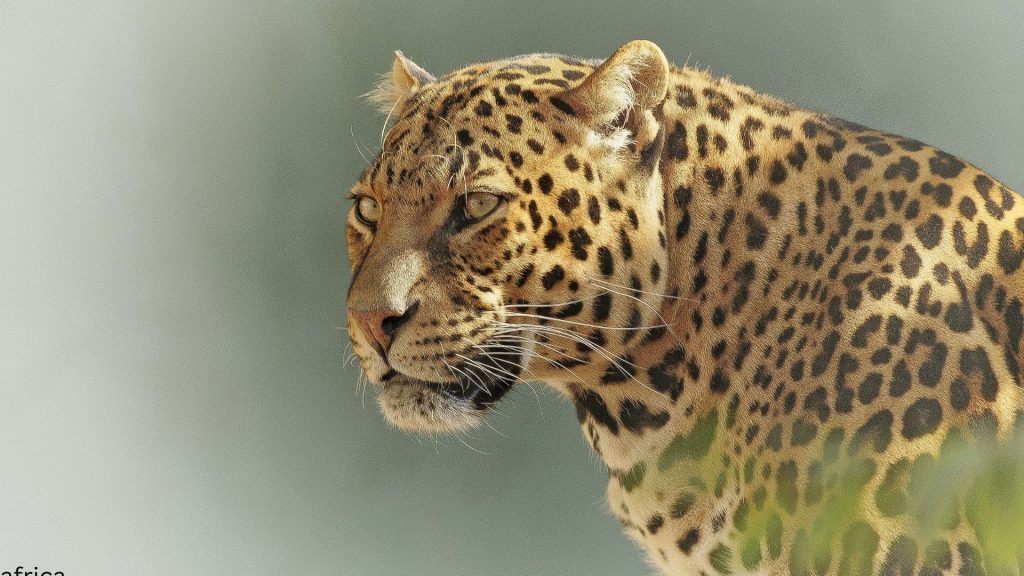
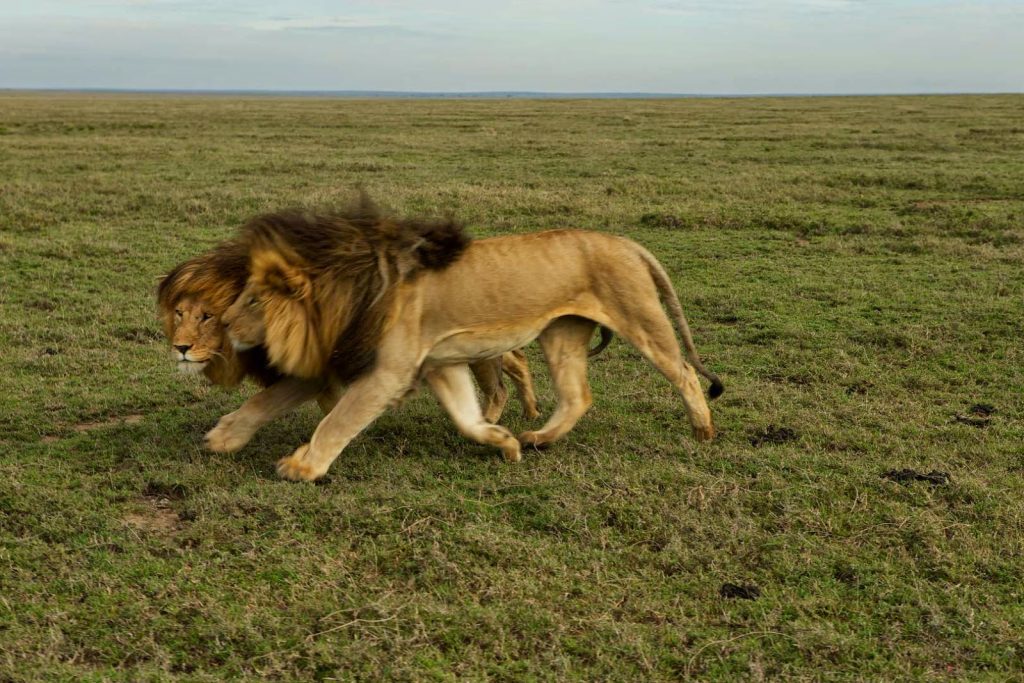
This concentration of newborn animals triggers one of the most intense predator activity periods of the entire year. Lions, cheetahs, leopards, hyenas, and wild dogs all converge on the calving grounds, and the hunting is relentless. It is one of the most dramatic and emotionally powerful times to be in the Serengeti, even though the river crossings are still months away.
The short grass plains of Ndutu are also exceptionally nutritious. Thousands of years of volcanic ash deposits from the Ngorongoro highlands have enriched the shallow soil with calcium, sodium, nitrogen, and phosphorus. The grasses that grow here provide exactly what pregnant and lactating wildebeest need, and the ecosystem has effectively evolved over millennia to concentrate the herds in this specific area at this specific time of year.
Wildebeest calves are remarkably precocious. They are mobile within three to seven minutes of birth and capable of keeping up with the herd within hours. This rapid development is a direct evolutionary response to the density of predators surrounding every birth.
April and May: The Long Rains and Northward Movement As the rains arrive and the grass on the southern plains begins to dry, the herds start moving northward through the central Serengeti. This is a quieter period for tourism, with fewer vehicles on the roads, greener landscapes, and a sense of the Serengeti at its most lush and atmospheric.
June and July: The Western Corridor and Grumeti River The migration moves into the western Serengeti corridor, where the Grumeti River presents the first major crossing of the year. Nile crocodiles wait in the shallower waters here, and while the Grumeti crossings are less dramatic in scale than those of the Mara River, they can still be extraordinary to witness.
August to October: The Mara River Crossings This is the stage of the migration that most people picture when they imagine the Great Wildebeest Migration. As the herds press into the northern Serengeti and cross into Kenya’s Masai Mara, they must navigate the Mara River, the only permanent water source that can sustain the migration through the dry season.
The crossings are unpredictable, chaotic, and extraordinary. Thousands of wildebeest gather at the river’s edge, working themselves into a frenzy before plunging in, fighting the current, and running the gauntlet of enormous Nile crocodiles waiting in the water. Some crossings involve tens of thousands of animals. Others are aborted entirely when the lead animals lose their nerve and the herd retreats. No guide can tell you exactly when a crossing will happen, and that unpredictability is part of what makes witnessing one so powerful.
The Mara River is essential to the survival of the migration. If the river were to fail, due to dams or deforestation upstream in the Mara watershed, the consequences would be catastrophic. Estimates suggest that around 500,000 wildebeest could die in the first year alone.
November to December: The Return South As the short rains arrive in November, the herds begin their return journey southward through the Serengeti, completing the annual cycle and positioning themselves once again for the calving season that will begin in January.
10 Facts About the Great Wildebeest Migration That Might Surprise You
The herds collectively consume around 4,800 tons of grass every single day during the migration. To give that figure some scale, that is the weight of roughly 800 adult African elephants in grass, consumed daily.
Around 300,000 female wildebeest become pregnant within the space of less than one month during the rut, when bulls compete aggressively for temporary territories and mating rights. The synchronised breeding is what produces the synchronised calving season, and that concentrated burst of births is what overwhelms predators and allows enough calves to survive to adulthood.
Around 250,000 calves are born each year during the calving season, with roughly 8,000 to 12,000 arriving per day at the peak. Despite the extraordinary predator pressure, approximately half of all calves born will survive to adulthood.
The migration deposits around 3,500 tons of dung into the Serengeti ecosystem every single day. That is the equivalent of approximately 70 fully loaded train carriages of dung daily, providing essential nutrients to the vegetation and supporting around 100 different species of dung beetles in the process.
Wildebeest are what ecologists call a keystone species. Their annual consumption of over 1.7 million tons of grass opens up large tracts of pasture for other species including zebra, hartebeest, and gazelle. Without wildebeest, the entire structure and productivity of the Serengeti’s grasslands would fundamentally change.
The migration never truly stops. It is a continuous, year-round cycle with no beginning and no end, driven entirely by the annual rhythm of rainfall across the ecosystem.
When Is the Best Time to See the Great Migration?
Every month of the year offers a different and genuine migration experience. The best time depends entirely on what you want to see.
For the calving season and intense predator action, visit between late January and March. For the famous Mara River crossings, plan your trip between late July and October. For the quietest, most affordable, and most atmospheric experience of the Serengeti with the migration in full flow and far fewer vehicles, April, May, and November are outstanding choices.
See the Great Migration with Kiwoito Africa Safaris
Timing is everything with the migration, and knowing where to position yourself at each stage of the year is knowledge that only comes from experience on the ground. Kiwoito Africa Safaris, based in Arusha, has guided travellers to the migration for years, and the Kiwoito team knows the Serengeti intimately, from the calving grounds at Ndutu to the riverbanks where the crossings happen. Whether you want to witness the calving chaos of February, the dramatic river crossings of August, or the atmospheric green season with herds on the move, Kiwoito will build an itinerary that puts you in exactly the right place. Get in touch to start planning your migration safari.